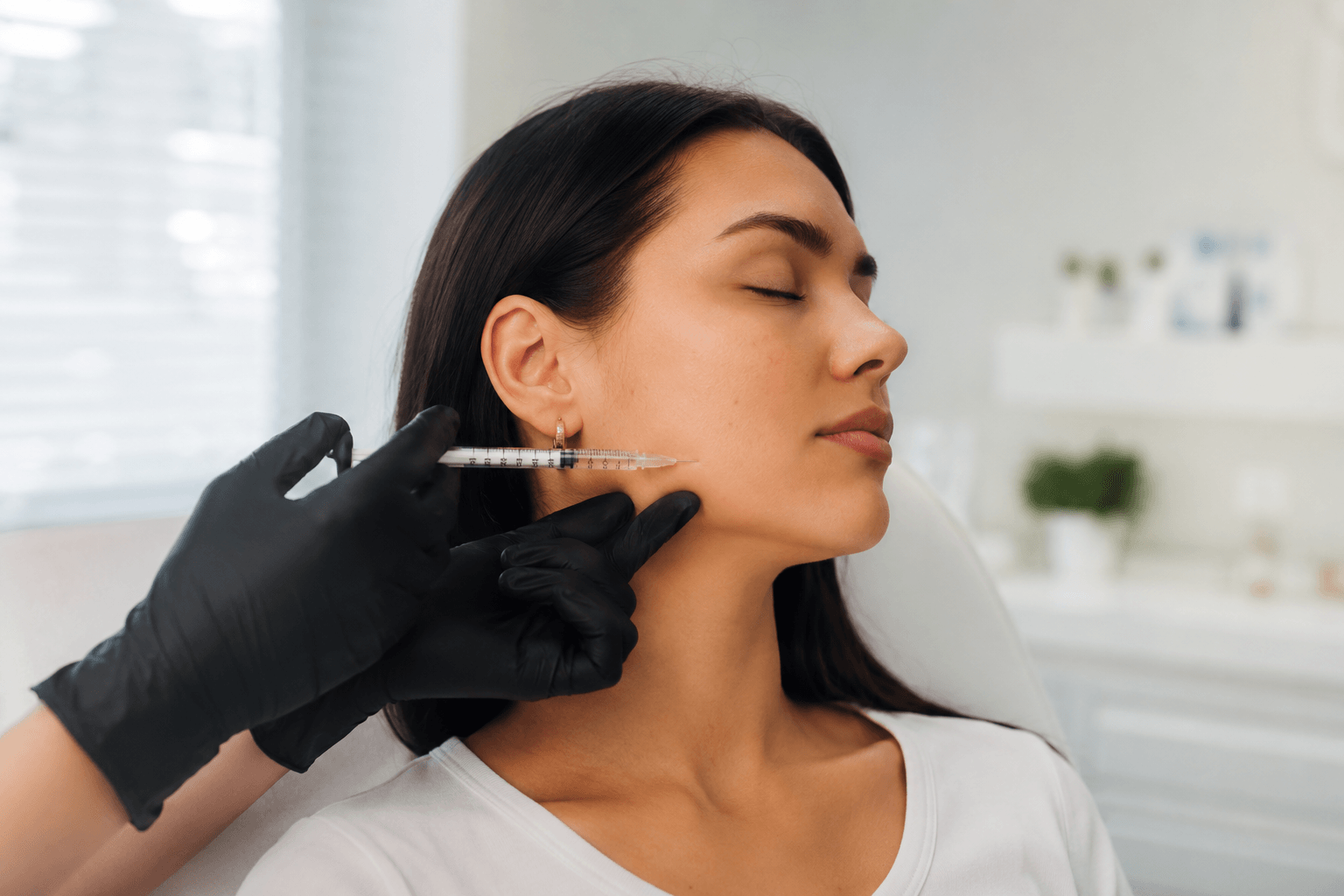
If you have spent any time scrolling social media lately, you have probably seen the word "tox" tossed around like it is common vocabulary. "Got my tox refreshed today." "Starting preventative tox at 26." "Baby tox is the move." It sounds casual, almost breezy, but if you are not already in the world of aesthetics, it can leave you with more questions than answers. What exactly is tox? Is it the same thing as Botox? Does it hurt? And why do people in their twenties suddenly seem to be getting it before they have a single visible wrinkle?
At Elite Medspa in Needham, Massachusetts, we get these questions all the time, from clients who have never had a cosmetic treatment in their life and from longtime patients who just want to understand the science a little better. This guide walks through where expression lines actually come from, what tox is and how it works, and why the goal here has never been a frozen look. Our philosophy has always been simple: the best neurotoxin treatment isn't obvious. It just makes you look a little more rested, a little more like yourself on a good day.
Before talking about treatment, it helps to understand the problem. Every time you raise your eyebrows, squint in the sun, or furrow your brow while concentrating, the muscles underneath your skin contract. Do that enough times over enough years, and the skin above those muscles starts to fold along the same lines, over and over.
Dermatologists generally separate expression lines into two categories. Dynamic wrinkles only appear when a muscle is actively moving, like the lines that show up when you smile or raise your eyebrows. Static wrinkles are the ones that stick around even when your face is completely relaxed. Dynamic lines are usually the first sign of change, and if the underlying muscle movement is not addressed, they tend to etch themselves into the skin permanently over time, becoming static.
This is exactly what happens with forehead lines and the vertical creases between the brows, often called the "11s." The muscles responsible (the frontalis on the forehead and the corrugators between the brows) are some of the most frequently used muscles on the entire face. Add in sun exposure, natural collagen loss, and genetics, and it is easy to see why these areas are often the first place people notice change.
There is no single answer here, since it depends heavily on genetics, skin type, sun exposure, and even how expressive someone naturally is. That said, many people start noticing faint dynamic lines in their late twenties to mid-thirties, particularly in the forehead and between the brows. Crow's feet, bunny lines on the nose, and jaw tension patterns tend to follow a similar timeline, though they can appear earlier in people with very animated facial expressions.
"Tox" is simply industry shorthand for neurotoxin injectables, the category that includes Botox and Dysport type treatments. The name sounds intense, but the science behind it is well understood and has been used safely in medicine for decades. Tox is a purified protein that, when injected into a targeted muscle, temporarily interrupts the nerve signal telling that muscle to contract. Less repeated contraction means the skin above it is no longer being folded and creased hundreds of times a day, which allows existing lines to soften and helps prevent new ones from deepening.
It is important to note that neurotoxin does not fill anything or add volume. It relaxes movement in a very specific, targeted area. That is a meaningful distinction, because it is part of why the treatment can look so natural when it is done with a skilled hand. A trained injector is not trying to eliminate all movement in your face, only softening the specific muscle activity that is creating unwanted lines, while leaving the rest of your natural expression intact.
At Elite Medspa, neurotoxin treatments are commonly used for:
That last one surprises a lot of people. Jaw clenching, especially from stress or nighttime grinding, is one of the more common concerns we see from clients in and around Needham, Massachusetts, many of whom are juggling demanding jobs and busy family schedules. Relaxing the masseter muscle can ease tension and, for some, soften the appearance of a squared jawline over time.
One of the biggest shifts in this space over the past several years is the rise of preventative tox, sometimes nicknamed "baby tox." The idea is straightforward: if repeated muscle movement is what eventually carves dynamic lines into static ones, then softening that movement earlier, before lines become permanent, can help slow the whole process down.
This does not mean everyone in their twenties needs neurotoxin. It simply means that for people who are already noticing early dynamic lines, especially in the forehead or between the brows, starting with smaller, more conservative treatment can be a proactive way to maintain smoother skin longer. It is a philosophy shift from "fixing" wrinkles to gently managing the muscle movement that creates them in the first place.
There is a lot of misinformation floating around about neurotoxin, so let's address a few of the biggest myths directly.
Myth: Tox always makes you look frozen. This is probably the most persistent myth, and it usually comes from seeing overdone results rather than well-executed ones. When dosing and injection placement are tailored to your individual facial anatomy, movement stays natural. You should still be able to raise your eyebrows and show expression, just without the deep creasing.
Myth: It's only for older people. As covered above, many people start earlier than expected, often as a preventative measure rather than a corrective one.
Myth: The results are permanent. Neurotoxin is temporary by design. Results typically last three to four months before the muscle gradually regains its normal movement, which is part of why it is considered such a low-commitment way to test the waters.
Myth: It's unsafe or unregulated. When administered by trained, licensed medical professionals using proper technique and dosing, neurotoxin has an extensive safety record.
A typical appointment is quick, often under thirty minutes, with minimal downtime. A thin needle is used to place small amounts of the product into specific muscles, and most people describe the sensation as a quick pinch rather than significant pain. You can generally return to normal activities the same day, though it is common to avoid strenuous exercise and lying flat for a few hours afterward.
Results are not instant. Most people begin to notice softening within three to five days, with full results visible around the two week mark. Because everyone's muscle strength and metabolism differ slightly, follow-up appointments allow your injector to fine-tune results over time.
This is one of the most common points of confusion. Neurotoxin relaxes muscle movement to prevent and soften expression lines, while dermal filler adds volume to areas that have lost structure, like cheeks or lips. They address different concerns and are sometimes used together for a more comprehensive result. If volume loss or deeper static lines are part of your concern, our team can walk you through whether our dermal filler options might complement your treatment plan.
Every face moves differently, which is why a one size fits all approach to neurotoxin rarely produces a natural result. At Elite Medspa, our injectors, Heidi Rodriguez, DNP, WHNP-BC, RN, and Caroline Reynolds, PA-C, take the time to assess your individual anatomy, expression patterns, and goals before recommending a plan. Under the medical direction of Dr. Joelle Lieman, the approach here has always prioritized subtlety over statement, aiming for results that make people ask if you have been sleeping better, not whether you had something done.
If you are ready to learn more, our Neurotoxin service page outlines what a consultation looks like, or you can explore our broader neurotoxin treatment options and our Botox in Needham page for more detail on pricing and process. As of 2026, our approach and injection techniques have been continually refined, updated this August to reflect the latest best practices in natural-looking neurotoxin treatment.
For clients also exploring how hormonal changes intersect with cosmetic injectables, our post on hormone therapy and Dysport offers some additional context worth reading.
Does getting tox hurt? Most clients describe it as a brief pinch rather than significant discomfort. The needles used are very thin, and the injection process itself typically takes just a few minutes.
How long does tox last? Results generally last around three to four months, though this can vary based on individual muscle strength, metabolism, and treatment area.
What is the difference between tox and filler? Neurotoxin relaxes muscle movement to soften expression lines like forehead lines and the 11s, while filler adds volume to areas that have lost structure, such as cheeks or lips. Many clients use both as part of a broader treatment plan.
Is tox safe? When performed by trained, licensed medical professionals, neurotoxin has a long-standing safety record and is one of the most studied cosmetic treatments available.
When should I start getting tox? There is no universal age. Some people start in their late twenties or early thirties as a preventative measure once they notice early dynamic lines, while others wait until static lines are more established. A consultation can help determine what makes sense for your skin.
Will tox make my face look frozen? Not when it is done thoughtfully. The goal at Elite Medspa is always natural movement and a refreshed, relaxed appearance, not a stiff or expressionless look.
Understanding what is actually happening beneath your skin, the muscle movement, the repeated creasing, the gradual shift from dynamic to static lines, makes the decision to try tox feel a lot less mysterious and a lot more like an informed choice. Whether you are curious about preventative treatment in your twenties or you are ready to soften lines that have been years in the making, the team at Elite Medspa in Needham, Massachusetts is here to build a plan around your face, not a template. Reach out at 781-559-3433 or Hello@myelitemedspa.com, or browse our homepage and blog to learn more before your visit.
.png)